
Researchers in Japan have demonstrated that messenger RNA (mRNA) therapy can restore fertility in a genetic mouse model of male infertility – offering a potential new direction for reproductive medicine that avoids permanent gene editing.
The study, published in Stem Cell Reports, shows that delivering therapeutic mRNA directly into the testes can restart sperm development in mice lacking a key gene required for spermatogenesis. The work highlights the expanding therapeutic potential of mRNA beyond vaccines and protein replacement therapies.
Male infertility often arises when communication between germ cells and Sertoli cells – the supportive cells that nurture developing sperm – is disrupted. In some cases, this leads to a meiotic arrest, where sperm development stops before mature sperm are produced. Current assisted reproductive technologies such as IVF or intracytoplasmic sperm injection rely on the presence of functional sperm cells, meaning patients with severe spermatogenic defects have limited options.
To explore an alternative strategy, researchers at Kyoto University investigated whether transient delivery of therapeutic mRNA to Sertoli cells could repair the testicular environment and restart sperm production. Unlike DNA-based gene therapy, mRNA does not integrate into the genome and is degraded relatively quickly, which reduces the risk of permanent genetic changes. As such, mRNA offers a safer option due to its short lifespan minimizing risks of any unintended germline modification.
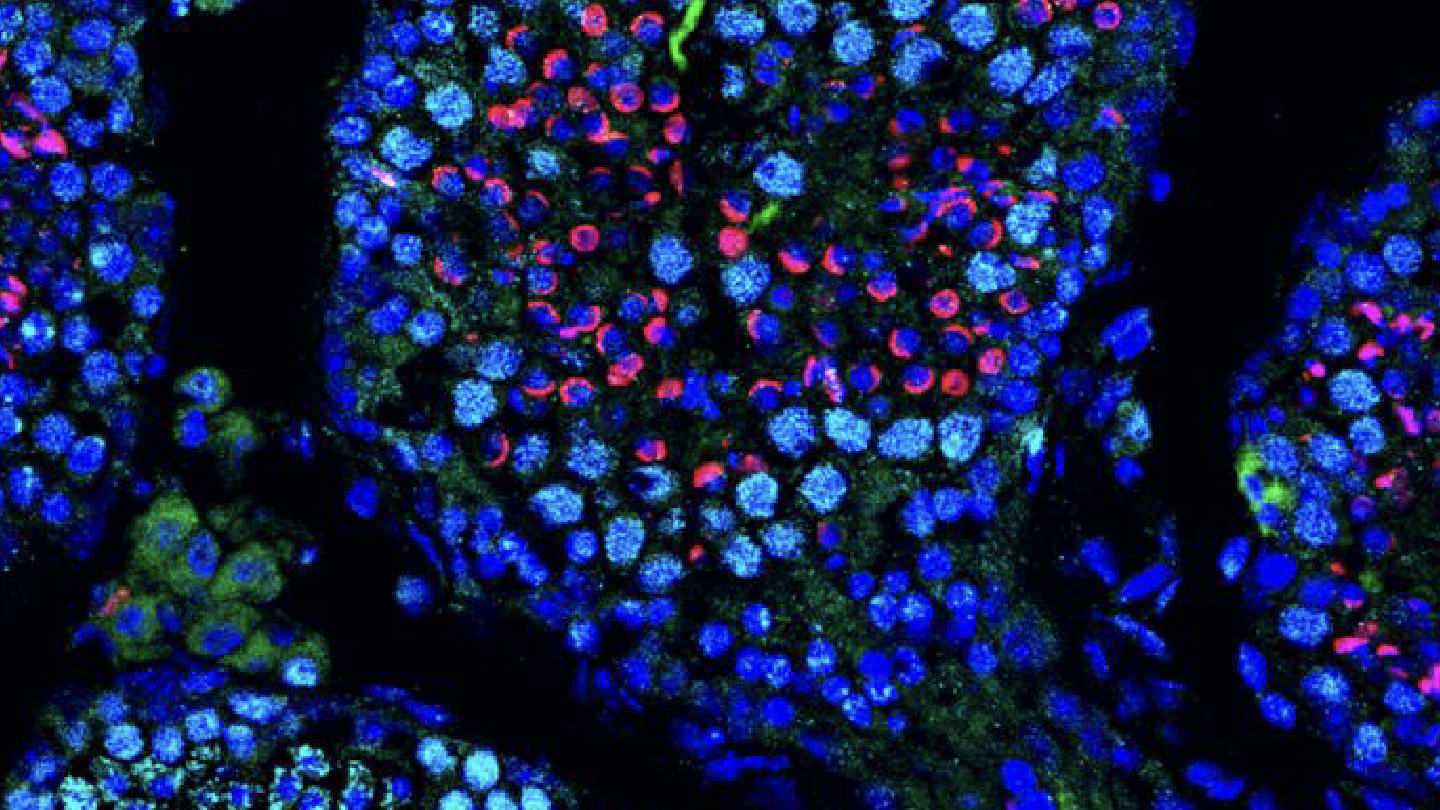
The team’s initial experiments confirmed that injected mRNA was successfully taken up and expressed in Sertoli cells, with detectable protein expression lasting several days. Although mRNA typically produces only transient protein expression, the short-lived signal was enough to trigger a longer-term biological effect. Two months after treatment, the researchers observed renewed spermatogenesis in many seminiferous tubules, including the development of haploid spermatids – immature sperm cells. In untreated animals, sperm development stopped much earlier.
While the approach did not fully restore natural fertility – offspring could only be produced using assisted reproductive techniques – the findings demonstrate that transient mRNA delivery can reinitiate sperm development even in severe genetic infertility.
For drug developers, the work underscores the versatility of mRNA-based therapeutics. Although the technology gained global attention through COVID-19 vaccines, researchers are increasingly exploring its use in areas ranging from cancer immunotherapy to regenerative medicine. As such, mRNA therapy could open up new possibilities for treating forms of infertility that currently lack effective therapies.